Card, mobile credential, payment and security
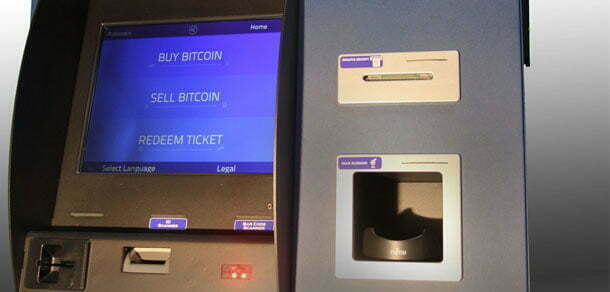
Georgia Tech adopts the digital currency for reloading campus card funds
This model is very different from a credit card transaction that carries a merchant fee of two to three percent of the total transaction amount, Pete explains. “Most importantly, there are no chargebacks, as BitPay facilitates the exchange rate and assumes the associated risk.”
Fees aside, the current methods of payment seem to work just fine for the campus card. So why accept Bitcoin?
“I see parallels to the origins of PayPal – its adoption was driven by the fact that customers did not have to share their credit card information with merchants,” explains Pete. “Bitcoin transactions inherently have a higher level of anonymity.”
Bitcoin acceptance is still in its infancy, but Pete is optimistic that it will grow. “The greater the number of points of purchase, the greater the use by customers. It will take some time for Bitcoin to reach the popularity of PayPal, but the opportunity exists,” he says. “Just as the campus card program wanted to pilot acceptance, I encourage students to purchase a portion of a Bitcoin and conduct their own tests.”
Tech’s Bitcoin pilot yielded very small adoption rates. Through student athletic concessions during the fall 2014 football season – which included four games with 9,000 student seats for each – there was an average of only six Bitcoin transactions per game.
More telling still are the results of the campus card declining balance function. Upon conclusion of the official pilot, the university reported no Bitcoin deposits made to BuzzCard accounts.
This all begs the question: does Bitcoin have a future on campus?
Pete and Georgia Tech remain optimistic. “The opportunity exists to leverage the Bitcoin acceptance program for paying student tuition, fees, room and board and other expenses,” he says.
Another source of traction could be the international student population. Pete explains that Georgia Tech’s international population is 20% with students hailing from more than 115 countries.
“I think there is a good use case for our international students who typically leverage Western Union and other fee-laden services to transfer money,” says Pete. “Worse yet, we have international students who land on our campus card office’s doorstep with large amounts of cash.”
From a campus card industry perspective, Pete suggests there could be yet more possibility for growth. “I see the opportunity for the various solution providers like Blackboard, CBORD, Sequoia Retail Systems and others to integrate the acceptance of Bitcoin payments into their point-of-sale solutions for in-location acceptance,” he says. “I think this level of integration will be important for increasing higher education adoption.”
It’s still early days for Bitcoin on campus, but low adoption rates will likely be a theme until there is campus card vendor integration and an uptick in knowledge about the currency. Without direct acceptance for purchases on campus, students are unlikely see the value.
But as an increasing number of campus services go mobile, it only makes sense for universities to be ahead of the curve. The Bitcoin pilot at Georgia Tech reflects this notion, and should be commended as a foray into new possibilities for the campus card.