Card, mobile credential, payment and security

Tapingo realizes significant growth in campus deployments, delivery markets
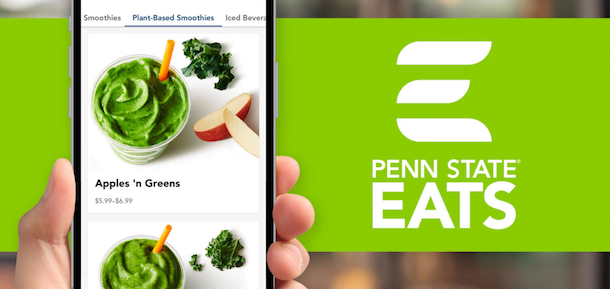
It was only in 2014 that CR80News first covered campus mobile ordering – a then fledgling, student-facing dining solution. At the time, mobile ordering was little more than an explorative service that only a handful of early-adopter campuses had launched.
Over the span of a few short years, though, mobile ordering has become a standard offering on campuses large and small across the country. And spearheading the trend is Tapingo.
Looking back at CR80News’ first coverage of Tapingo, much of the story was speculative, discussing services that were yet to be fully developed. We were dealing in potentialities. But things have since come full circle for both Tapingo and mobile ordering as a service.
The average resident student uses Tapingo three times a week, with many using the app daily.
After establishing its first inroads on college campuses in 2014, Tapingo has since grown its network to include millions of student users and nearly 200 active campuses across the country – fifty of which now comprise Tapingo’s delivery markets that the company runs itself. That is a significant, market leading number, and it includes some of the largest institutions in the country.
Tapingo’s success – and its ability to add upwards of fifty campuses year on year – can be boiled down to the popularity of the service being provided. Mobile ordering has become a natural and expected service by the modern student, and use of the service has exploded.
“Tapingo has become an active marketplace. The average resident student uses Tapingo three times a week, with many using the app daily,” says Ben Anderson, director of corporate marketing at Tapingo. “It’s become an effective way for universities to consistently engage with their students.”
Anderson estimates that Ohio State University processes some 100 deliveries a day from their on-campus pizza location alone. “When a campus starts to understand the power of the mobile platform and what it can do from a technological perspective, they start to think of ways it can help them solve their real-world problems,” he says.
With usage rates reaching such significant levels, it’s little wonder that campuses across the country have folded mobile ordering into their dining services operations. It’s popular and it also delivers benefits to the food service operator. Managing peak times, improving throughput and refining the customer buying experience are core to the app.
“If you know that there’s a wait time, instead of standing in line wouldn’t you rather sit comfortably at a table studying, and then receive a notification when it’s ready?” Anderson asks. “Mobile ordering has proven many times to be the only way students can grab a last-minute latte while walking onto campus, or between classes. That’s a narrative that we’re hearing all across the country.”