Card, mobile credential, payment and security
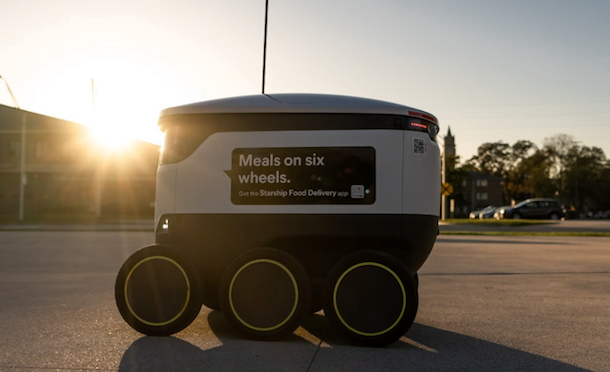
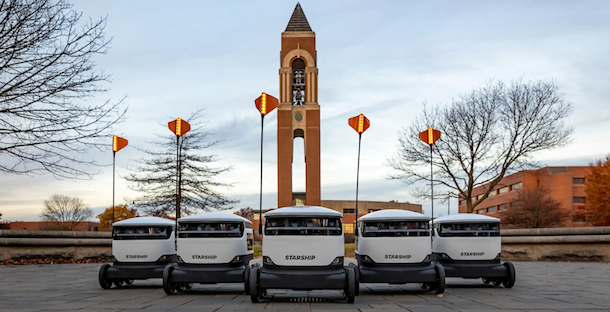
It's been roughly two months since Starship Technologies and its band of roving, autonomous delivery robots arrived on the Purdue University campus. The excitement and intrigue of the initiative has settled, so what does the day-to-day operation look like?
According to a report from Purdue's student publication, The Exponent, the initial response to Starship Technologies' delivery robots was strong, with one campus Starbucks alone processing some 20 robot delivery orders per four-hour shift.
That Starbucks is one of nine locations at Purdue that currently processes Starship delivery orders. The early success of robot delivery has even changed the workflow of the coffee shop.
“Every day we come in we have a different position we’re assigned to, and we just added the robot position,” said Amy Rappa, Purdue student and barista at the Starbucks, in an Exponent interview.
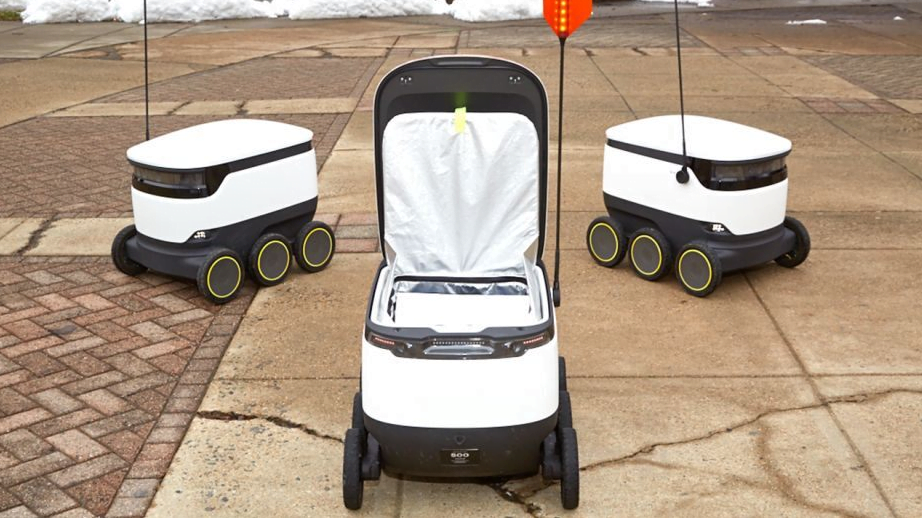
The so-called “robot runners” are notified of orders placed for Starship delivery through the app on Starbucks iPads and phones. After prepping the order, the employee places it inside the Starship robot, taps the completed order button on the Starship app and the robot begins its journey.
Since going live, the number of Starbucks orders places for robot delivery has settled down closer to ten per four-hour shift. But it's worth noting that this is just one of the participating merchants, and there's more features that could be added to the program soon.
One such addition that could drive the number of robot delivery orders higher is the acceptance of funds from Purdue's declining balance account on the Purdue ID.
“Right now they’re trying to find a way to include Dining Dollars and Boiler Express to Starship," Rappa told the Exponent. "I think if that were to happen, the popularity would probably rise again."
Using a system of cameras, sensors and machine learning, the robots have the ability to navigate sidewalks and a variety of terrain without colliding with pedestrians or other obstacles. In total, each Starship robot houses ten cameras that track terrain to the nearest inch, sirens that sound if the chassis is tampered with, and a lid that remains locked at all times until the user opens it with their order code.
Despite being a fully featured system, there are times when the robots need a helping hand. Should a delivery robot ever get stuck, Starship leans on its human employees to troubleshoot.
The company employs human operators at offices in Washington D.C., Arizona and Virginia. Each human operator monitors numerous robots, and can take control if a robot has been waiting for a certain period of time, for example on a crowded sidewalk or at a busy intersection.
Purdue University's fleet of Starship robots is the largest on a college campus to date, and joins a roster of other early adopters that have experienced success with the initiative. A spokesperson for Starship Technologies says the company has plans to launch its robot delivery system on as many as 100 college campuses over the next two years.