Campus ID News
Card, mobile credential, payment and security
FEATURED
PARTNERS
slider TapingoArizona 1

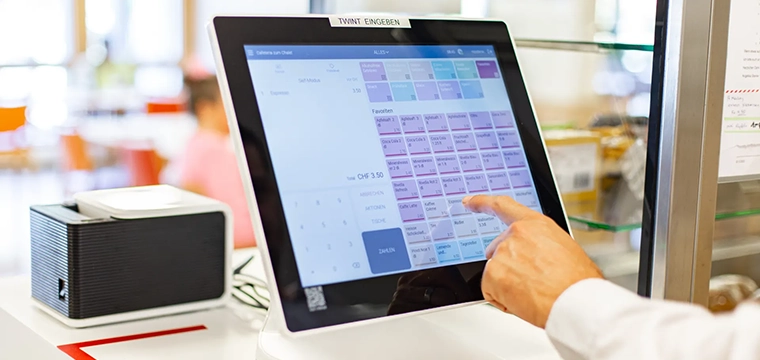
Mobile ordering and delivery expand Arizona dining volume

App, campus card and declining balance keys to increasing student use

Chris Corum   ||   Feb 21, 2017  ||   , ,

A mobile app, some golf carts and a renowned burrito are proving that campus food services can change with the times. Many argue that the traditional model of institutional food service -- student ID cards, board plans with declining balance, on-campus locations and limited availability – can no longer compete in the modern marketplace. But at the University of Arizona, it is not just competing it’s thriving.

Arizona Student Unions partnered with mobile ordering provider Tapingo three years ago in the fall of 2013. “We were responding to the lines,” explains Todd Millay, interim director for UA Student Unions, referring to the campus’ ever-growing food queues.
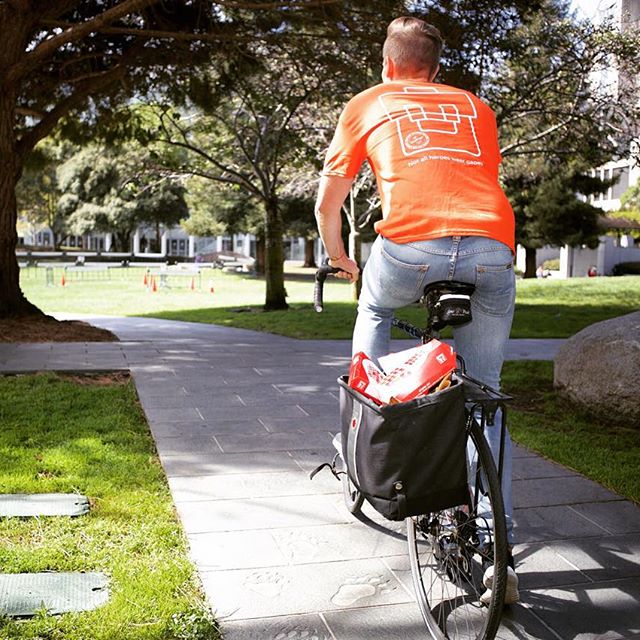
tapingo_delivery

Millay oversees 30 retail outlets on the Tucson campus and serves between 25,000 and 30,000 meals per day. “Everyone still eats at the same time, so with mobile ordering, we were trying to be responsive to lines,” he says.

It’s a sensible strategy, because if you can increase throughput at the moment when lines normally become problematic, then students won’t walk away and go to your competition.

“How do we maximize the same six registers at the Chick-fil-a?” he asked. It was the kind of question that led to the mobile ordering trial.

Since that successful trial three years back, mobile ordering has expanded to 80% of the university’s retail outlets. As Millay explains, the solution is best suited to declining balance users and locations that service them. Board plan users and more traditional dining hall locations don’t benefit from mobile ordering to the same degree, as they tend to be eat-in and self-service in nature.

Enter the Highlands Market breakfast burrito, a staple of any Wildcat’s life.

“The ticker machine never stops,” says Millay, referring to the printer that pushes out Tapingo orders in the Highlands Market kitchen.

This hints to the advantage of mobile ordering. The receipt ticker tells the kitchen that someone wants to pick up a burrito soon, and while they’re not standing at the counter right that second, they will be in a specified number of minutes. These minutes are the key to reducing the lines Millay mentioned, increasing throughput and enticing customers to come back for more.

“We call it the anticipation throttle,” he says. “Getting the order to the staff 14 minutes earlier gives us time to prepare.”

It seems to be working. Across the university’s outlets, mobile ordering already accounts for 15% of all orders.
Pages: 1 2 3

Subscribe to our weekly newsletter

RECENT ARTICLES

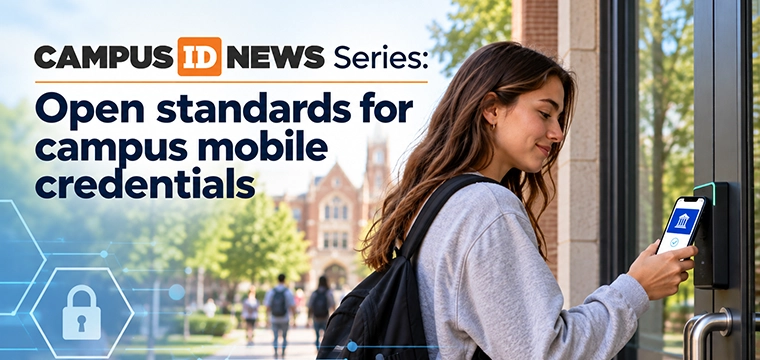
Open standards for campus mobile credentials article series intro screen with college girl using phone to enter a building

Part 1: An intro to open standards for campus mobile credentials

Traditionally, campus access control has largely been built around a simple proposition. Start by committing to a credential, install compatible readers and locks, and make sure all the systems behind them can recognize one another. That model works. It also creates a problem that can become increasingly expensive as a campus grows and technology changes. […]
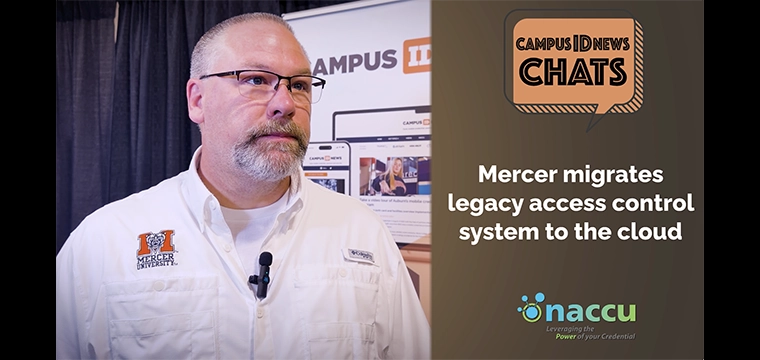
Jay Bonney from Mercer University is interviewed about the university's migration of the access control system to the cloud
Oct 29, 26 / ,

Mercer University migrates legacy access control system to the cloud

Jay Bonney's Auxiliary Services department manages more than 4,000 access control points across Mercer University. His team has been undertaking a major transition from an access system that has been in place for more than 20 years. With the existing equipment reaching end of life, the university saw the project as an opportunity to rethink […]
POS screen for meal plan from SECANDA

SECANDA expands flexible, automated campus meal plans

SECANDA announced new meal plan customization capabilities for is SECANDA Pay module. It combines integrated roles, rules, payment systems, and automation tools that let administrators build unique, flexible plans without administrative complexity or third-party fees. The enhanced meal plan engine allows campus card offices and dining operators to configure custom rules based on specific student […]
CIDN logo reversed
The only publication dedicated to the use of campus cards, mobile credentials, identity and security technology in the education market. CampusIDNews – formerly CR80News – has served more than 6,500 subscribers for more than two decades.
Twitter

Great inverview on the Public Key Open Credential (PKOC) standard with ELATEC's Jason Ouellette, Chairman of the Board for the @PSIAlliance.

Attn: friends in the biometrics space. Nominations close Friday for the annual Women in Biometrics Awards. Take five minutes to recognize a colleague or even yourself. http://WomenInBiometrics.com

Load More...
Contact
CampusIDNews is published by AVISIAN Publishing
315 E. Georgia St.
Tallahassee, FL 32301
www.AVISIAN.com[email protected]
Use our contact form to submit tips, corrections, or questions to our team.
©2026 CampusIDNews. All rights reserved.