Campus ID News
Card, mobile credential, payment and security
FEATURED
PARTNERS
slider ISGcardsec 1

Card security options for campus IDs

Contributor   ||   Jul 19, 2017  ||   , ,

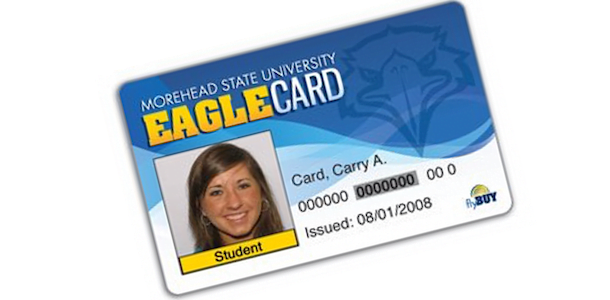
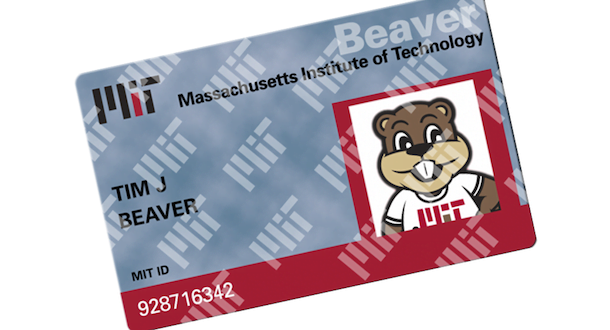
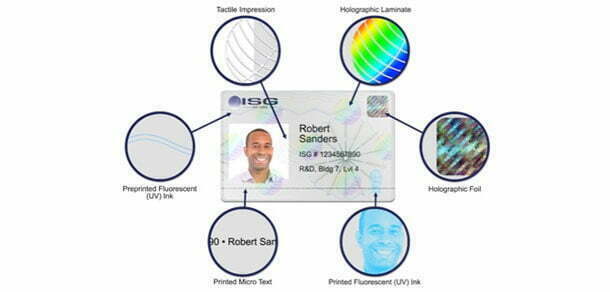
The first feature, UV ink, is perhaps best known for its ability to appear when held under a black light. Credit cards and driver licenses routinely leverage this security feature to verify the validity of the credential. This, of course, requires use of a simple, low-cost black light to verify. If your campus is currently using pre-printed cardstock, the addition of UV ink should be easy and inexpensive.

The second common security feature, holographic foil, can also be added during the card manufacturing process. Holographic foil is a strong visual indicator of a card’s authenticity. The foil can be applied at the card factory and can either be embedded under the card lamination, or applied on top of the lamination. As with UV ink, the use of holographic foil is also reasonably priced.

It’s important to note, too, that there are a variety of other secure printing options available from various card manufacturers. Other security features include the use of micro text, guilloche patterns, lenticular imagery and opacity marks. However, UV inks and holographic foils remain the most popular options.

Card issuance

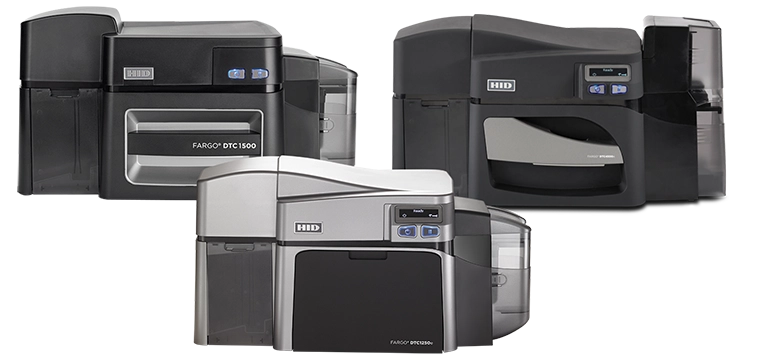
Once your cardstock is on campus, there are still several security options that you can implement onsite through the use of your card printers. The security features you choose will ultimately depend on the printer technology your disposal (direct-to-card or retransfer), your visual security preference (overt or covert), and your budget.

When it comes to adding security features during the issuance process, a campus should first consider whether overt or covert security is preferable. Overt security features can be seen by the naked eye and/or felt by the fingers. Examples of overt features include holographic foils, holographic laminates and tactile impressions. Covert security features, on the other hand, aren’t visible to the naked eye and require a tool to verify. Examples include UV printing and the use of a black light, or micro text printing and the use of a magnifying instrument.

UV fluorescing ribbons

Similar to printing UV ink at the factory, most desktop ID card printers now offer UV fluorescing or UV ink panels on color ribbons, which enables the printing of static or variable images and information in an ultraviolet layer that can be seen with the use of a black light. This is an extremely inexpensive way to add easily verifiable information on a student ID card.

It is important to note that not all card printers can provide the same level of quality, as some can only print a static image or text field that is common to every issued card. Using a variable field, such as person’s photo, for the UV image is much more secure.

Holographic laminates

Custom or generic holographic laminates can be used on most ID card types. An overt security feature, holographic laminate images can be seen by the naked eye without the need for a special tool.

Pages: 1 2 3

|| TAGS:
Subscribe to our weekly newsletter

RECENT ARTICLES

Ashley McNamara, Apex
Feb 05, 26 / ,

Apex smart lockers drive the evolution of digital dining halls

Smart lockers are becoming a key part of the modern campus dining experience, and Ashley McNamara, vice president of global marketing at Apex, says the shift to fully digital dining halls is driven by student expectations for speed, convenience, and mobile-first experiences. In a conversation with CampusIDNews, McNamara explains how Apex’s smart locker solutions fit […]
Campus card with Trevor Project hotline printed on back
Feb 04, 26 / ,

California law mandates LGBTQ crisis hotline on student IDs and campus cards

A new California law will require public schools serving grades 7 through 12, community colleges, California State University campuses, and University of California campuses to add an LGBTQ youth hotline number to student IDs and campus cards. Assembly Bill 727, signed into law in October 2025, will go into effect on July 1, 2026. The […]
University of Utah sign
Jan 29, 26 /

University of Utah opens on-campus apartment options for employees

Higher ed institutions struggle to attract and maintain staff, but the auxiliary service department at the University of Utah is taking a clever approach, offering cost-effective on-campus housing for employees. This spring, the institution-owned Sunnyside Apartments is opening a new building, and staff are eligible to live there. Originally intended to house graduate students and […]
CIDN logo reversed
The only publication dedicated to the use of campus cards, mobile credentials, identity and security technology in the education market. CampusIDNews – formerly CR80News – has served more than 6,500 subscribers for more than two decades.
Twitter

Great inverview on the Public Key Open Credential (PKOC) standard with ELATEC's Jason Ouellette, Chairman of the Board for the @PSIAlliance.

Attn: friends in the biometrics space. Nominations close Friday for the annual Women in Biometrics Awards. Take five minutes to recognize a colleague or even yourself. http://WomenInBiometrics.com

Load More...
Contact
CampusIDNews is published by AVISIAN Publishing
315 E. Georgia St.
Tallahassee, FL 32301
www.AVISIAN.com[email protected]
Use our contact form to submit tips, corrections, or questions to our team.
©2026 CampusIDNews. All rights reserved.