Card, mobile credential, payment and security
How the EmoryCard office is meeting students where they are
Today’s college students arrive on campus with expectations shaped by always-on technology and personalized digital experiences. Kim Pfeffer, Director of EmoryCard at Emory University, says her students expect services to be immediate, convenient, and tailored to their individual needs.
They are hyper connected, she says, and they want access to services on their own schedule, not limited by traditional business hours. At the same time, they value being recognized as individuals, with strong interests in wellness, diversity, and sustainability. For campus service providers, this creates a dual challenge: deliver seamless digital access while maintaining a human-centered approach.
At Emory, Pfeffer’s team has responded by rethinking how and where services are delivered. One key insight is that students prefer not to visit offices in person.
“Students do not like to come to our office. They would much prefer that they can get their services where they are,” Pfeffer explains.
Students do not like to come to our office. They would much prefer to get their services where they are.
To address this, EmoryCard has implemented solutions such as Fargo Connect printers in the student center, allowing students to print replacement cards on demand with remote assistance from staff.
The team also hosts spontaneous pop-up events promoted through social media, offering free replacement cards and increasing awareness in a way that feels personal and flexible. These small, creative touches help reduce friction while reinforcing a sense of connection.
From a vendor perspective, Jennifer McNeill, Director of Strategic Partnerships & Development at TouchNet, emphasized the role of partnerships in helping campuses address evolving student service delivery.
“One of the ways that we help is by having a robust network of partners that we work with,” McNeill says.
TouchNet focuses on identifying partners that support automation, sustainability, and self-service, informed by ongoing research and feedback from campuses. Together, collaboration between institutions and technology providers helps ensure that evolving student expectations translate into better, more accessible campus experiences.
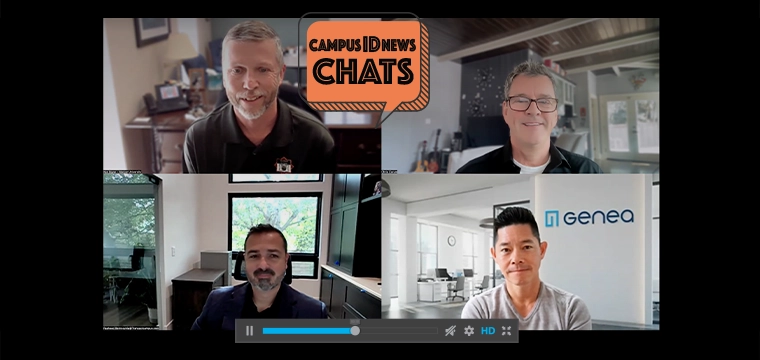
To listen to the full interview, click the image at the top of this page.
TRANSCRIPT
Kim Pfeffer, Director EmoryCard, Emory University
The needs of the next generation of students are slowly adapting and changing compared to the ones of our students of today.
They're digital natives – we've all heard that said – and they have a very high expectation for things to be available to them right away and right in front of them.
They are hyper connected.
We installed Fargo Connect in our student center so students call us on a hotline, we confirm some data with them, make sure they're standing in front of the printer, and we'll deploy the card right there.
It doesn't matter where in the world someone else is, they want to be able to connect with that person. They don't want to wait, and they don't care if your business hours are eight to five. They want a full experience that is personalized to them and available at the time that they want.
But at the same time, they want you to know that they're human. They are very focused on health and wellness, diversity, global things, and sustainability. They bring a lot to the table, but they also want you to recognize them on their terms at their time.
Here are a few examples of the shift that I've seen at Emory.
Students do not like to come to our office. They would much prefer that they can get their services where they are.
One thing we have done – we installed a Fargo Connect solution in our student center.
What a student can do, because they don't want to come to our space, is call us on a hotline. We confirm some data with them, make sure they're standing in front of the printer, and we'll deploy the card right there.
That way they can run right downstairs and get their lunch or get off to their next class or what have you.
We're trying to find small ways to meet them where they are.
Another example that we do that's really fun actually, it's just a cool way to get awareness out about our office, is that we will have a pop-up and it'll be find one of the members of our team.
We don't have to advertise in advance, we don't have to plan far in advance, if we want to do it Wednesday and it's pouring rain, we can wait until Thursday when the weather's better.
And we just blast social media and it says, find this person from EmoryCard and get a free coupon for a replacement card. No questions asked.
It's these little things that feel a little bit more personal to them and meet them where they are.
Whenever we can come up with a new idea or try to find a potential new opportunity, I bring it to the people on my campus who I work with. If it's a dining solution, I'll go to dining, if it's an access or security solution, I'll go to that team.
We have partners that focus on those key areas like automation, like sustainability, or self-serve. Having those partners available to a campus makes those options available to them.
Just so that they know that I know what's out there, and so that way I can also say that I want to be involved when these things come up.
Because we all are in this for the students. We want to make the best experience for our students.
Jennifer McNeill, Director, Strategic Partnerships & Development, TouchNet:
I think one of the ways that we help is by having a robust network of partners that we work with.
We have partners that focus on those key areas like automation, like sustainability, or self-serve.
Having those partners available to a campus makes those options available to them, and we continue to grow those partners.
We do research by attending events like this, by connecting with peers, and getting feedback from our campuses as well. It helps us determine which partners we need to work with and that will help the campuses along.