Card, mobile credential, payment and security

How the University of Alabama reduced costs and built new revenue streams with mobile
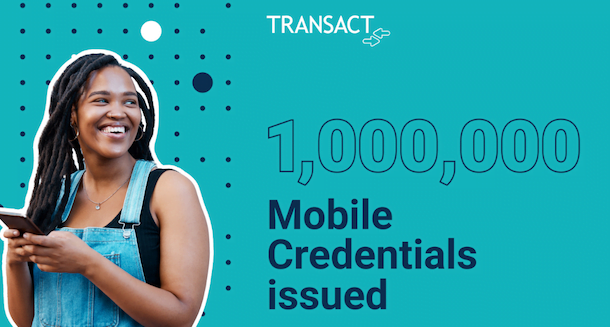
Institutions tend to focus on the cost of transitioning to mobile credentials, such as upfront infrastructure, annual license fees for credentials, and loss of replacement card fees. But mobile can offer both significant savings and the chance to reimagine revenue streams.
To help crystalize these opportunities, the University of Alabama’s Courtney Petrizzi, outlined a series of things her program did to make mobile cost effective in a recent NACCU article.
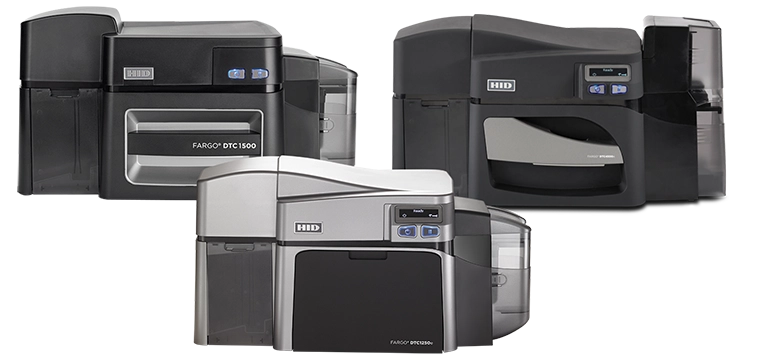
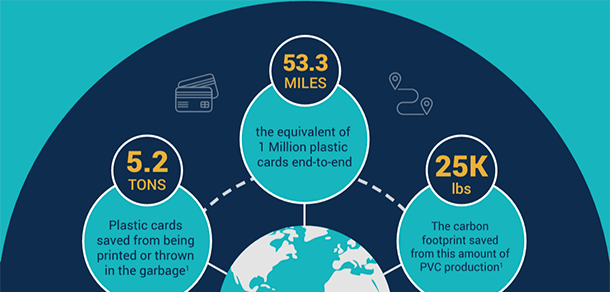
Eliminating physical ID cards minimizes the expenses associated with card production, from card stock and ribbons to labor costs and distribution.
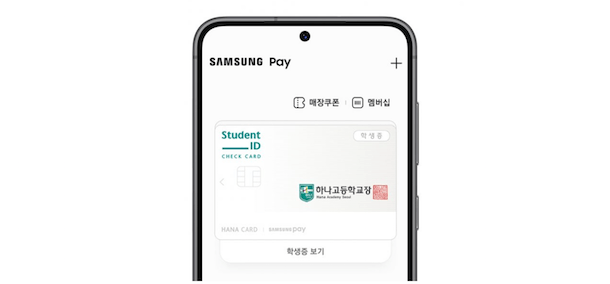
Mobile credentials eliminate the need for expensive, disruptive mass re-carding events. There’s no need to issue new IDs for branding changes or technology updates, as mobile IDs can be updated remotely.
By moving away from physical cards, many campuses have reduced overtime, temporary staffing needs, and mailing costs, she explains.
One significant expense that mobile credentials reduce is the need for mass re-carding. These events are extremely expensive and disruptive, but with mobile credentials there’s no need to issue new IDs for branding changes or technology updates. The digital credentials can simply be updated remotely at any time.
This also means enhanced security, since mobile credentials are easier to deactivate if lost or stolen, adds Petrizzi.
Mobile credentials also open up the possibility of virtual card offices, which make card services accessible remotely and add convenience for students and staff.
In addition to cost savings, mobile credentials allow campuses to reevaluate current revenue streams and create new ones.
While replacement card fees may decrease, there are other ways to offset revenue loss. Colleges can review and update commission and service fees, both for internal services and for third-party agreements.
Some institutions have shifted to a tuition-based technology fee to help support mobile credential programs. This approach can align the cost of mobile credentials with broader campus technology needs, building support into existing student fees.
Consider offering specialty cards, shooting passport photos, or renting ID readers to departments and student organizations.
Some institutions have shifted to a tuition-based technology fee to help support mobile credential programs. This approach can align the cost of mobile credentials with broader campus technology needs, building support into existing student fees.
In summary, she says, “you don’t have to implement every option; instead, use this transition as an opportunity to evaluate your current processes and identify where the benefits of mobile credential best fit your office environment and campus community.”
Click here to read the full article on NACCU’s Positive IDentity Blog.