Card, mobile credential, payment and security
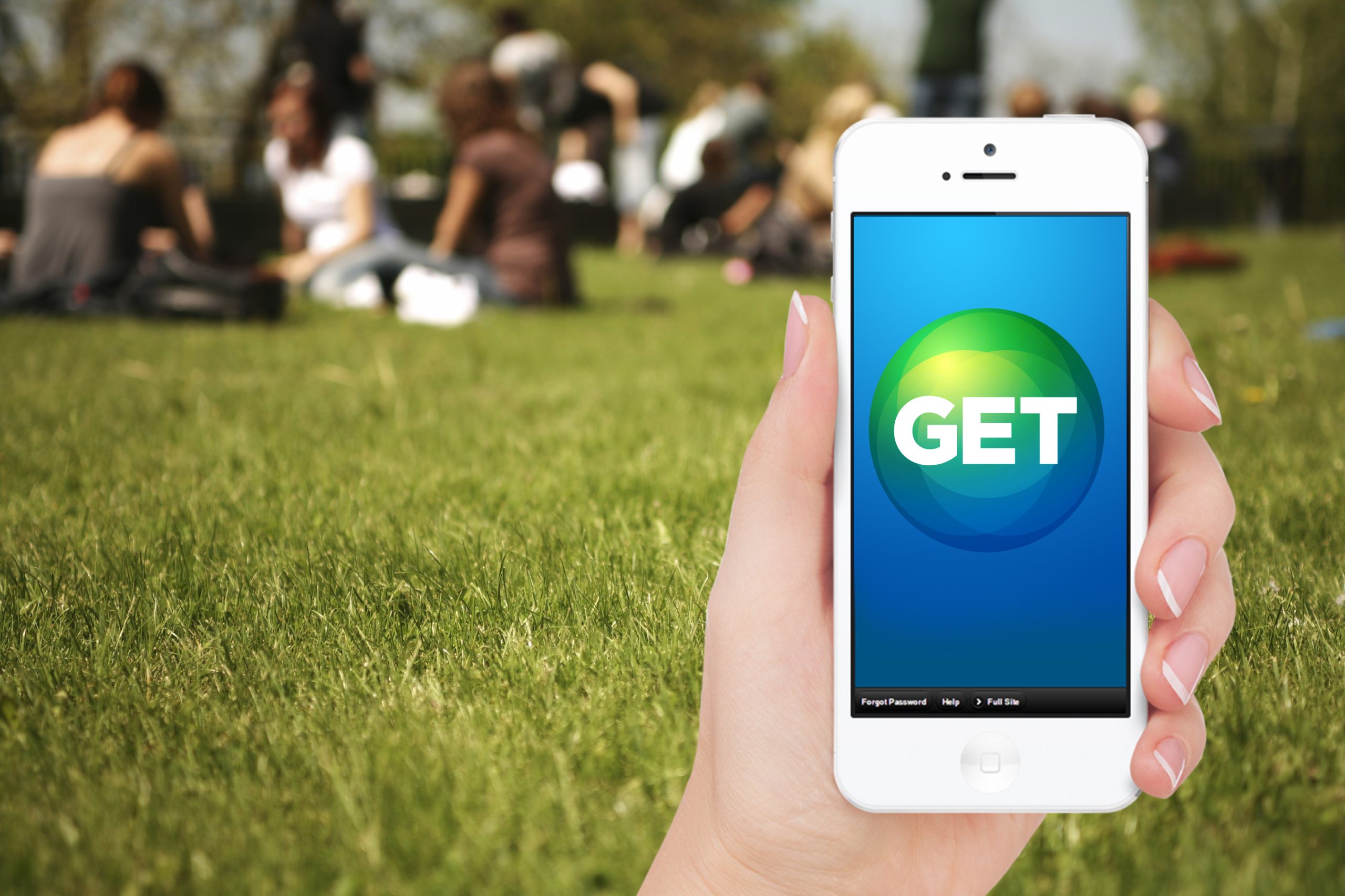
Making the move to contactless, whether smart cards or mobile credentials, is a topic that appears quite often on CR80News. But with the number of universities issuing mag stripe or 125 kHz prox credentials still alarmingly high, it’s worth taking the time to discuss the options available to campuses as they plot moves to more advanced, secure student credentials.
To better frame the issue, CR80News caught up with CBORD’s Read Winkelman and Larry Delaney to discuss some actionable steps that campuses can take.
“The first step for any campus wanting to move to a mobile credential is to perform a use case assessment to understand everywhere a card is used on and off campus,” says Larry Delaney, VP of Strategic Alliances, CBORD. “Knowing where and how students use their ID cards is important to planning migration to the appropriate technology and hardware.”
CBORD has been working to make this step increasingly easier for campuses. “We will work with universities to complete the use-case assessment and consult on a plan to move fully contactless,” says Delaney.
One of the major hurdles for any university plotting the move to contactless credentials, is addressing the extensive hardware infrastructure already on campus.
“When you get ready to start changing out hardware, you should transition the most important locks or readers first,” says Read Winkelman, VP of Sales, CBORD. “Look for your high-touch areas such as exterior building doors, retail and dining locations, laundry, vending, and attendance readers.”
The hardware concern, and the costs associated with upgrading at scale, has become even more prevalent in the wake of COVID-19 and widespread university spending freezes. But as Winkelman explains, even with the added pressures of this past year, there are still ways to successfully navigate hardware upgrades.
“It doesn’t have to be expensive,” he says. “Focusing on high-use, high-touch areas can allow a university to create a great initial experience and expand over time.”
Another strategy that campuses have at their disposal is the tried-and-true phased method.
“Not every campus can go from no contactless technology to fully contactless all at once,” says Winkelman. “Campuses should consider creating a plan for a phased approach that will fit within your budget.”
“With budgets being tighter, having a proactive plan to move to mobile will make the jump more attainable,” Winkelman adds. “But at the very least, you have to get off mag stripe and prox, they’re just not secure.”
The benefits of moving to contactless credentials are substantial under normal circumstances. But in such an abnormal year, these benefits have only been magnified.
One of the major impacts that universities have felt in the wake of the coronavirus pandemic is a move to more touchless experiences across campus. As social distancing measures continue to alter daily operations, the one constant has been that everyone is being forced to adapt.
“Gen Z already expects this kind of technology. They’re mobile natives and the most connected generation to date,” says Delaney. “But during a pandemic, it’s a necessity to do everything possible to ensure the health and safety of the campus and community.”
Contactless credentials could also help to settle the nerves of some students now that a new daily life on campus has taken root.
“Institutions were seeing drops in enrollment, whether its freshmen postponing college or upperclassmen taking a gap year,” says Delaney. “A number of students were reticent at the prospect of returning to campus this fall. Contactless technology helps to ease those fears.”
Contactless credentials have, in some cases, seamlessly slotted into the new socially distant way of life on campus. Providing a touchless transaction experience across campus has been big. And it may seem a bit of an oxymoron but relieving card office staff from the card production and issuance process – for those that have implemented mobile ID solutions – has been another added benefit of contactless.
“Our campuses that transitioned to fully mobile technology last year were preemptively prepared for the pandemic,” says Winkelman. “There was no need for students to visit an office to get a credential. They submitted a photo online, and then provisioned the credential right to their smartphone.”
Businesses around the country are encouraging mobile payment use, and this past year with coronavirus has really trained students and parents to conduct more transactions with mobile credentials.
Then there’s the old stalwart benefits of contactless credentials: increased security and decreased fraud, says Winkelman. “Students are far less likely to share their phone with a peer for access or payments than an ID card.”
“Contactless credentials are the safest, healthiest, and most secure form of a campus IDs,” adds Winkelman. “It’s easier and faster to provision mobile credentials on a smartphone or watch than it is to print and distribute plastic cards.”
“It’s rare that I ever use a physical plastic card these days,” says Winkelman. “My local grocery stores encourage mobile payments and it is just easier, more convenient, and cleaner.”
In case it hasn’t been driven home yet, the trend in campus credentials is one that’s moving away from less secure technologies like mag stripe or prox and toward contactless credentials.
“We believe that the future of campus credentials is a mix of mobile, biometrics, and traditional plastic ID cards,” says Delaney. “Mobile credential is the current ‘next thing,’ and you can count on the ‘next-next thing’ to build on it.”
It’s perfectly understandable for contactless to seem a daunting move, whether due to budget restrictions, lack of support from higher up the food chain, or otherwise. But having everyone row in the same direction will be vital.
“CBORD is collaborating with our partners Apple, Allegion and HID Global to make mobile ID a reality,” says Delaney. “We’re also working with some companies who aren’t traditional partners, as well.”
As CBORD views it, a collaborative effort alongside engaged university clients will ultimately drive the larger migration to the next wave of campus credentials.
“We really roll up our sleeves and get directly involved with our interested campuses,” says Delaney. “We share ideas and go-to-market strategies to help our customers have the best range of options and the widest set of functionalities.”