Card, mobile credential, payment and security
Convenience culture creates new sustainability challenges
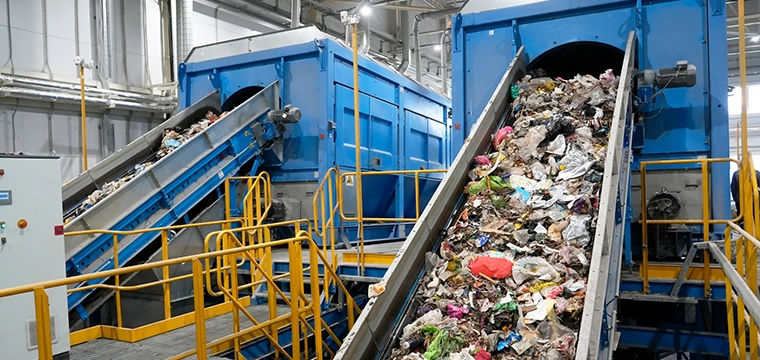
College campuses across the country are facing a growing sustainability challenge as takeout containers and disposable packaging become a permanent part of student life. An article in Bridge Michigan, says that while many of these habits emerged during the COVID-19 pandemic, university officials say they’ve continued long after dining halls fully reopened.
Students increasingly rely on grab-and-go meals, mobile ordering platforms, and food delivery services. This has created a culture of convenience that generates more waste and complicates recycling efforts.
At Michigan State University, campus waste dropped significantly during pandemic shutdowns but rebounded sharply as students returned. It has continued to rise with current volume at or above the levels immediately preceding the pandemic.
Surveys show students generally support reusable containers, but only when they are as convenient as disposable alternatives.
Sustainability leaders say the widespread use of single-use containers has made waste management more difficult because packaging materials are constantly changing, forcing recycling programs to adapt.
Despite these challenges, universities continue to invest in waste reduction initiatives. At the University of Michigan, waste audits revealed that takeout food packaging accounts for a large portion of trash in student-heavy spaces such as libraries. In response, the university has expanded composting options, launched zero-waste event programs and introduced reusable takeout container systems in dining halls.
The institution has also set ambitious sustainability goals, including increasing its waste diversion rate from the current 35% to 50% by 2030.
Officials stress, however, that sustainability programs must align with student expectations. Surveys show students generally support reusable containers, but only when they are as convenient as disposable alternatives. This reality has prompted discussions about a citywide reusable container system within the Ann Arbor community.
While technology and infrastructure are important, sustainability leaders say behavior remains the greatest challenge. Reusable container programs have shown promise at universities nationwide, but their success depends on consistent student participation and convenient return systems.
As students continue to prioritize convenience, colleges need to design sustainability programs around modern dining habits rather than trying to restore pre-pandemic behaviors.
Financial limitations add another layer of complexity. Reusable programs require staffing, equipment and ongoing management, resources that are often limited.
As students continue to prioritize convenience, colleges need to design sustainability programs around modern dining habits rather than trying to restore pre-pandemic behaviors. The goal must be to make environmentally responsible choices as easy and accessible as possible.