Card, mobile credential, payment and security
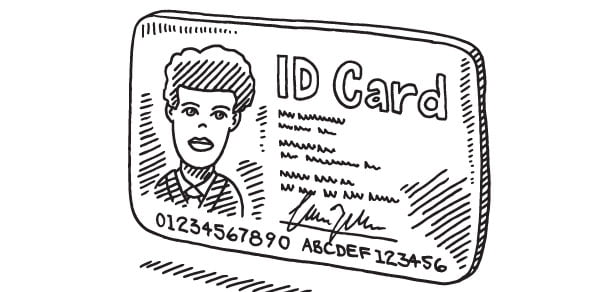
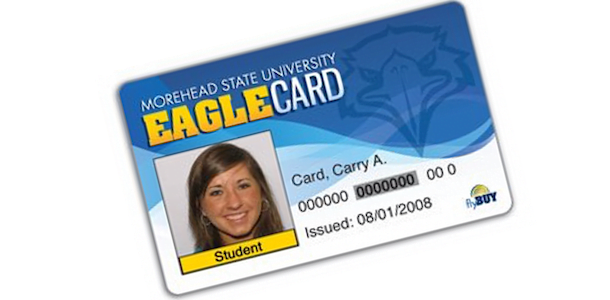
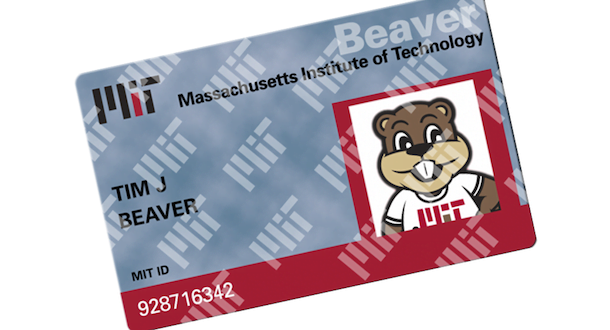
Universities across the country issue millions of pieces of plastic every year so that students can make purchases, access facilities and prove identity for applications both on and off campus.
The vast majority of cards issued in higher education are made exclusively from polyvinyl chloride – or PVC. This is the cheapest and most common card material available, and for applications where the use is short term and counterfeiting is of little concern, 100% PVC could be a fine choice.
But when a card needs greater lifespan and increased security, universities may want to consider composite cards made from advanced card materials. These materials can add durability to the card and make them more difficult to counterfeit. The trade off is an increased cost per card, but in virtually every other secure card market, issuers are finding the benefits exceed the added cost.
Many assume the standard CR80-sized plastic card is a single piece of plastic die cut from a large sheet, but the truth is a bit different, says Pierre Scaglia, global segment manager for Secure Credentials at PPG Industries.
A typical card issued by a campus card office includes multiple layers of white plastic made from PVC with a clear PVC layer on top. The clear layer contains the variable information, such as photo and demographic information, he explains. The card can also include an overlay or laminate layer with a security element such as a hologram that is added during the personalization process.
If the card includes electronics – such as a contactless chip and antenna array – those are sealed in a sheet of plastic and placed in between the PVC core layers, Scaglia explains.
“This basic PVC card offers fairly low levels of security,” he says, alluding to the fact that it can be easily and inexpensively counterfeited.
PVC cards are everywhere, likely due to their extremely low cost. They are personalized using readily available desktop printers, which are available online from countless resellers and auction sites along with the PVC cards and printer ribbons required to create extremely passable fakes.
In summary, 100% PVC cards are great for fast, convenient and low cost ID creation, but they are susceptible to fraud and rank low on the durability scale.
Instead of constructing cards only with layers of PVC, composite cards layer different materials to add advanced features and combat counterfeiters. Composites are the go to options in the high-security identity document market and are being used in driver licenses and national ID cards across the U.S. and around the globe.