Card, mobile credential, payment and security

What a campus needs to know when migrating to contactless or mobile credentials
 By: Todd Brooks, director of product management, ColorID
The topic of campus migrations, contactless cards and mobile credentials can seem overwhelming and present unique challenges for a university infrastructure. There seems to be as many opinions as there are options, and no one wants to be the one to make a technology decision only to find out that in a few short years the decision has already been rendered obsolete.
When contemplating a campus migration from magnetic stripes or proximity – 125 kHz Prox – cards to an advanced technology such as contactless cards or mobile credentials, there are many things that must be taken into consideration beginning with security, convenience and scalability.
The following are a few topics to keep in mind when starting this kind of project.
One of the largest issues we see within the university sector is the fractionalization that exists within institutions. Disconnects can be a common occurrence between people in the card office, housing, physical security, dining, and other key departments on campus, but decisions made by one entity will likely affect other parties on campus.
ColorID has worked with hundreds of universities to carefully navigate this migration process. Contactless migration should be a campus wide initiative, so one of the first things we recommend when starting the process is to call a meeting with all of these stakeholders. It is important that the contactless card or mobile credential must work with all of the different systems and readers on campus and therefore the best approach is to start with that end in mind.
During these stakeholder meetings, terminology is extremely important and can be very valuable. What one person thinks or understands of a technology could be entirely different from another colleague in a different department. Getting everyone on the same page early can avoid headaches, misunderstandings and costly delays down the road.
One of the most important decisions related to campus migrations is the preference of offline and/or wireless lock models. Housing typically has a very strong opinion about their residence hall locks and that will play a key role in the type of contactless technologies that are available.
Another important factor will be the Campus Card Integrator. Many of the popular integrators support specific contactless technologies and readers for their POS and other systems. Knowing answers to these questions can quickly narrow your focus to certain contactless technologies, readers and manufacturers.
Now that I have my new contactless card, there are many card issuance decisions that need to be addressed to streamline the card office operations, but these four considerations should make for a great start.
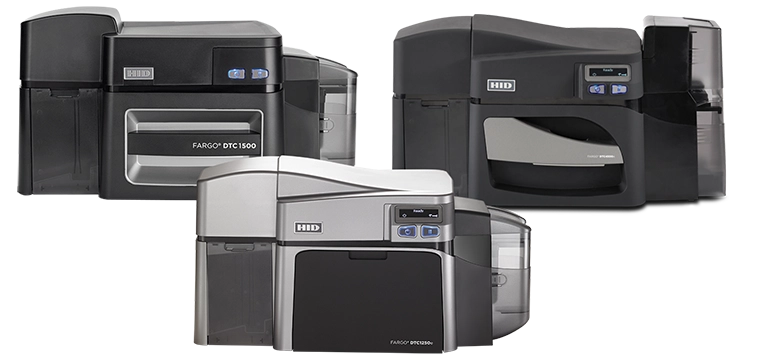
Contactless card programming: pre-encoded cards vs. encoding in a printer or at the desktop.
It is typically easier to purchase pre-encoded cards and then capture the number during the printing process, but some specific formats and number types aren’t suitable for this process. For instance, institutions utilizing randomized ISO numbers for access control may need to encode their own card data.
Encryption keys: manufacturer’s encryption key vs. custom key
Most manufacturers provide contactless cards with their standard encryption keys unless custom keys are requested. Over the last year, we have seen a trend toward institutions wanting to manage their own encryption keys versus using the manufacturer’s standard key.
Managing your own custom keys can add another layer of security to your credential, but it also brings along a management burden. What happens if you lose the key or it is compromised? Who has access to the encryption key? How is it stored and protected?