Campus ID News
Card, mobile credential, payment and security

FEATURED
PARTNERS
slider ColorIDbiometrics 1

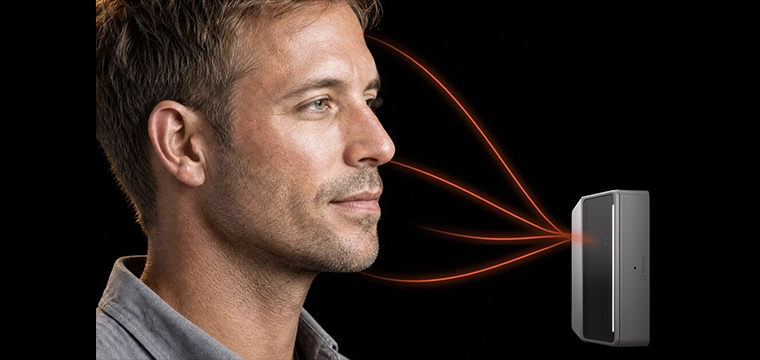
Biometrics on campus: Convenience, security or both?

Andrew Hudson   ||   Mar 29, 2017  ||   , ,

“The products being used for the high-security laboratories many times are the exact same product being used for access into the rec center or the dining facilities,” Ortscheid says. “This is important because your database of users can potentially use a product across campus without managing multiple databases or products; the university can have one common biometric structure across campus.”

Back to basics

When it comes to deploying a biometric solution, there are a number of options that have to be considered.

“The first thing we do is try to educate university personnel about the technology,” Brooks says. “We talk about some of the privacy concerns that students and parents may have, as well as talk about the security of the technology as it relates to safeguarding their data.

Among the talking points are the biometrics basics. These include:

As a best practice, biometric images are never stored. Once the image is captured, it is immediately used to create a biometric template and then discarded. The algorithms used to create these biometric templates are one-way hash algorithms and therefore the image cannot be recreated from the template.

Biometric algorithms are proprietary to the individual system being used so that templates from one system will not work for another system from a different manufacturer.

  • The inclusion of liveness detection is essential to prevent spoofing.
  • All data in the system is encrypted both at rest and in transit.
  • Universities typically have the option to create their own custom encryption keys for the biometric system to further protect data.

These considerations and others are all part of the biometric selection process. So too is educating the student population on the intent of the system.

“It’s imperative to choose the appropriate biometric modality to match the application in which it is being used,” Brooks says. “Once the biometric system has been chosen, it is equally important to provide education to students regarding the system, how it’s being used, and what benefits they will see from using the system.”

Wave of the future

Regardless of the number of active deployments, academic institutions are starting to take notice of biometric solutions to facilitate campus activities. “One reason is that the cost of the technology has decreased in the last few years, making biometrics systems affordable,” Brooks says.

Add the fact that better systems have come to market in recent years, and the ever-present “cool factor,” and biometric systems begin to show more promise for campus environments and the tech-savvy students that populate them. “Universities are competing for the best students, and sometimes having the latest and most convenient technologies can be used as a recruiting tool,” Brooks adds.

“A good biometric product should always be both convenient and secure. This is what has led to a breakthrough in customer acceptance of biometric products,” says Ortscheid. “When you have a solution that couples both, customers can really see the value of updating systems.”

Pages: 1 2 3

|| TAGS:
Subscribe to our weekly newsletter

RECENT ARTICLES

Ashley McNamara, Apex
Feb 05, 26 / ,

Apex smart lockers drive the evolution of digital dining halls

Smart lockers are becoming a key part of the modern campus dining experience, and Ashley McNamara, vice president of global marketing at Apex, says the shift to fully digital dining halls is driven by student expectations for speed, convenience, and mobile-first experiences. In a conversation with CampusIDNews, McNamara explains how Apex’s smart locker solutions fit […]
Campus card with Trevor Project hotline printed on back
Feb 04, 26 / ,

California law mandates LGBTQ crisis hotline on student IDs and campus cards

A new California law will require public schools serving grades 7 through 12, community colleges, California State University campuses, and University of California campuses to add an LGBTQ youth hotline number to student IDs and campus cards. Assembly Bill 727, signed into law in October 2025, will go into effect on July 1, 2026. The […]
University of Utah sign
Jan 29, 26 /

University of Utah opens on-campus apartment options for employees

Higher ed institutions struggle to attract and maintain staff, but the auxiliary service department at the University of Utah is taking a clever approach, offering cost-effective on-campus housing for employees. This spring, the institution-owned Sunnyside Apartments is opening a new building, and staff are eligible to live there. Originally intended to house graduate students and […]
CIDN logo reversed
The only publication dedicated to the use of campus cards, mobile credentials, identity and security technology in the education market. CampusIDNews – formerly CR80News – has served more than 6,500 subscribers for more than two decades.
Twitter

Great inverview on the Public Key Open Credential (PKOC) standard with ELATEC's Jason Ouellette, Chairman of the Board for the @PSIAlliance.

Attn: friends in the biometrics space. Nominations close Friday for the annual Women in Biometrics Awards. Take five minutes to recognize a colleague or even yourself. http://WomenInBiometrics.com

Load More...
Contact
CampusIDNews is published by AVISIAN Publishing
315 E. Georgia St.
Tallahassee, FL 32301
www.AVISIAN.com[email protected]
Use our contact form to submit tips, corrections, or questions to our team.
©2026 CampusIDNews. All rights reserved.