Card, mobile credential, payment and security

Syracuse University is exploring the idea of using student ID cards, among other measures, to keep track of COVID-19 testing, and to ensure that students living off-campus are up to date with university testing requirements.
According to a report from Syracuse.com, Syracuse is considering a team of up to 50 trained students to act as contact tracers. The students will be trained through the Johns Hopkins University Contact Tracing Certification program and a full-time staff will manage the team.
A statement from Mike Haynie, Vice Chancellor for Strategic Initiatives and Innovation at Syracuse, reveals that Syracuse opted to rely primarily on students due to the likelihood that students will be more candid with each other than other individuals.
“One of the things we recognized and that the literature supports is the efficacy of contact tracing is really a function of cultural competency,” Haynie told Syracuse.com. “The likelihood that our students will open up and be more authentic with students who are like them (i.e. their student peers) is much enhanced. As a consequence, we will have students be that contact tracing army.”
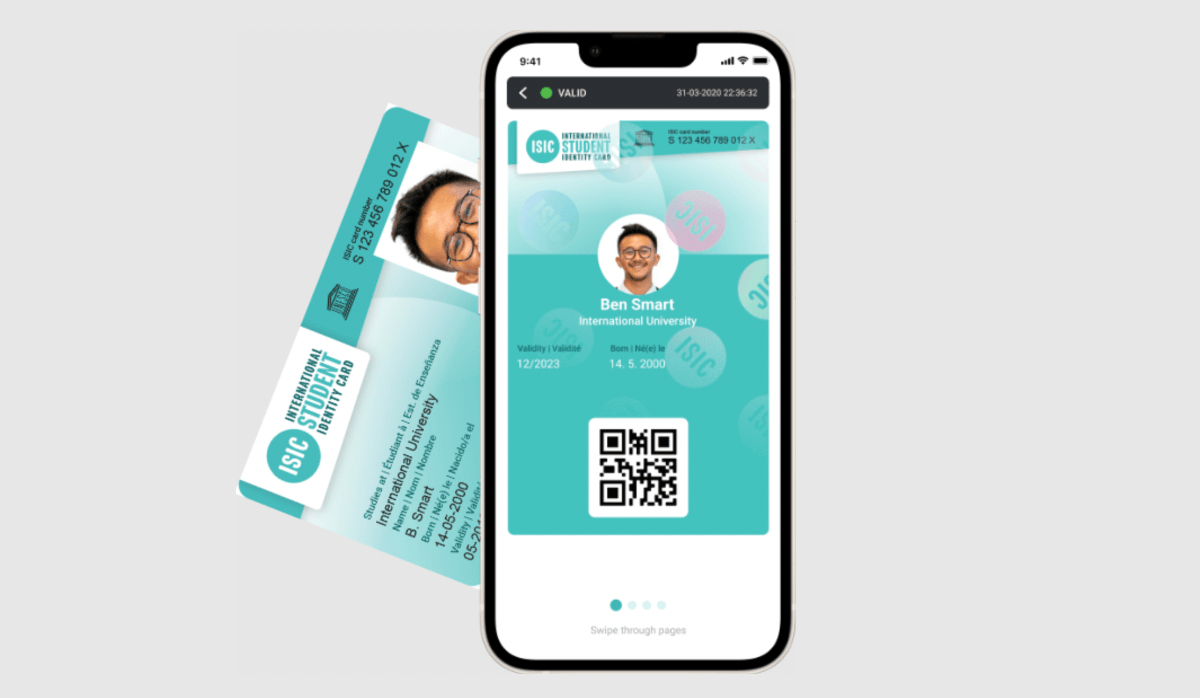
Syracuse would rely on student ID cards to keep track of whether students have been tested and help ensure that students living off-campus are in keeping with the university's testing requirements.
A university committee established a list of 127 recommendations for reopening, and among the suggestions was requiring a student ID card for access to any campus building, as well as prohibiting propping doors or holding open doors for other individuals, otherwise known as "tailgating."
The hope is to better ensure that only students who have been regularly tested will have access to campus facilities.
“Whether you live on campus or off-campus, it is a requirement to return in the fall that you will agree to participate in the university’s testing program,” said Haynie, in a statement to Syracuse.com. “We’re going to track participation in the testing program as a function of the student ID card. The extent to which your student ID card is essentially your pass to engage in activities on campus. That ID card will indicate whether or not you have participated in the testing program that is required of all students.”
The comments about contact tracing were raised in a recent question-and-answer session with the campus community.
The contact tracing process would begin when a Syracuse University student returns a positive test result for COVID-19. Haynie clarified that the goal of contact tracing is not to identify and quarantine every student who might have been in a classroom with an infected person, but rather simply to identify close contacts who could be more likely to have contracted the virus.
Under Syracuse's plan, any student who tests positive would first be placed in isolation, with the possibility of that person's close contacts being placed in quarantine. The recommended quarantine time is two weeks, although the university is hopeful that timeframe could be shortened going forward.