Card, mobile credential, payment and security

College athletic departments are more than just sports programs – they are complex business operations that manage major events, high-traffic facilities, and thousands of student and fan interactions. Many, however, still manage operations using a series of disparate systems for critical processes like payments, ticketing, access control, and reporting. According to TouchNet’s article Rethinking Commerce and Access in College Athletics, this outdated approach is no longer sustainable.
“Athletic departments aren’t just playing games – they’re running enterprises,” the article states. “To meet the growing demands of students, fans, leadership and financial stakeholders, they need to modernize the way they manage commerce and access.”
Most athletic departments juggle dozens of commerce and access points for students, fans, and athletes. Too often, each area is managed by its own system, leading to inconsistent user experiences and high operating costs.
When access and commerce systems are integrated with the broader institutional ecosystem, everything from accounting to student engagement becomes easier to manage.
While the rest of campus IT systems have adopted integrated platforms, athletics often operates as an island due to separate budgets, vendors, and leadership structures.
As demands and opportunities rise, athletic departments must evolve. Modern solutions can unify payments, campus ID access, ecommerce, and reporting under one system. This can simplify financial tracking and reconciliation, streamline event and facility management, improve security and consistency.
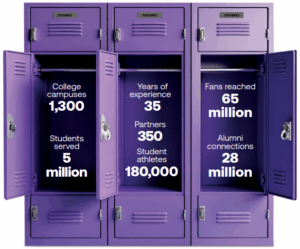
Overview of key TouchNet stats
“When access and commerce systems are integrated with the broader institutional ecosystem, everything from accounting to student engagement becomes easier to manage,” the article explains.
By breaking down digital silos, athletic departments can connect to the broader campus infrastructure, reducing costs and complexity. The same commerce and access solutions used by campus card, auxiliary service, and finance departments can transform athletics’ operations.
The article closes stating, “investing in connected infrastructure isn’t just an IT decision, it’s a strategic one.”