Card, mobile credential, payment and security

University uses campus card data points to identify vital student trends
It's a well known fact that modern campus card systems are repositories for a wealth of valuable and actionable data. Between physical access logs, payments, event ticketing, attendance and many other vital data points, it becomes possible to paint an increasingly vivid picture of student life on campus.
Now, the University of Arizona is making significant strides in the realm of campus card data interpretation thanks to the work of university researcher, Sudha Ram. Ram's Smart Campus research is tracking students' social interactions and daily routines via CatCard usage -- Arizona's student ID -- and leveraging that information to predict freshman retention.
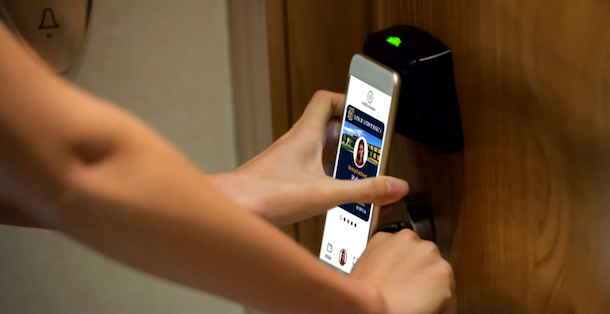
When students use their ID cards they leave a digital trace that indicates exact times and locations. According to an official university release, Ram's research is tracking these digital traces to identify possible student trends and relationships, and more importantly, how those relationships affect students' likelihood of returning to campus after their freshman year.
"By getting their digital traces, you can explore their patterns of movement, behavior and interactions, and that tells you a great deal about them," Ram says.
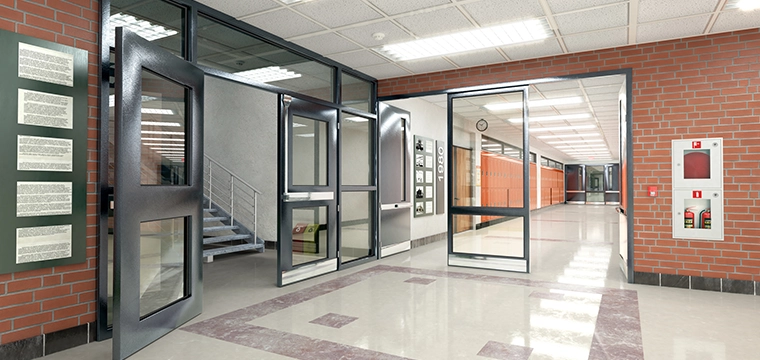
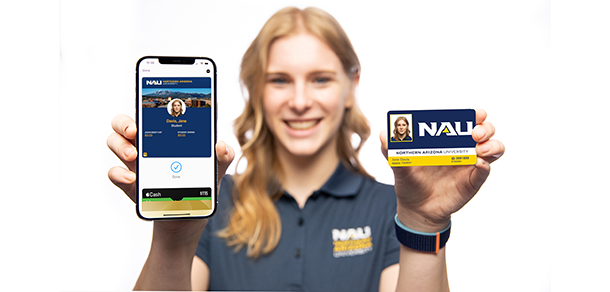
CatCards are used for access to residence halls, rec centers, science labs, libraries, academic support centers, and more. And, as with many student ID cards, CatCards are also used to make payments. Students can opt to load cash onto the card for use at vending machines and to pay for food and other services on campus. All these interaction points combine to create a highly detailed web of data points from which usage trends can be constructed.
Working with Arizona's IT department, Ram gathered data on freshman CatCard usage spanning a three-year period. She then used that data to create large networks that mapped which students interacted with one another and how often.
The idea behind establishing these social trends is that students that are less socially connected are often more likely to drop out. The same CatCard data can also be used to look at the regularity of student routines and whether those patterns occur during the week or on weekends.
Ram's data seemingly backs this idea as an analysis of student social interactions and routines was able to predict 85-90% of the freshmen who would not return for a second year at Arizona. Those students having less-established routines and fewer social interactions were, in fact, most at-risk for dropping out.
"Of all the students who drop out at the end of the first year, with our social integration measures, we're able to do a prediction at the end of the first 12 weeks of the semester with 85-90% recall," Ram said. "That means out of the 2,000 students who drop out, we're able to identify 1,800 of them."
Thanks in part to Ram's research Arizona now generates lists — twice per semester and twice in the summer — of the top 20% of students most at-risk in each college. The lists are then shared with the individual colleges, with the idea that advisers will reach out to students who need additional support or guidance.
The university is also preparing to launch an online dashboard where advisers can access pertinent data and assess student risk in real time throughout the semester.
Student retention is an ever-present concern for colleges and universities nationwide, but the tools are already available to make meaningful change. The data accrued by contemporary campus card systems can be used to refine campus services and business operations, and as proven by Ram and the University of Arizona, identify potentially at-risk students through attendance, access control and transaction trends.
For more on Sudha Ram's research, and how the university of Arizona is harnessing its campus card data to support student success, checkout the university's full write up.