Card, mobile credential, payment and security

Initiatives such meal swipe donations, emergency vouchers, and pantries help fill the gap
Food insecurity, defined as a lack of reliable access to enough food, affects students’ focus, grades, and likelihood of completing their studies due to increased stress, anxiety, and financial strain. The need to choose between food and other essentials like textbooks creates a cycle of poverty that can impact both academic and social development.
A recent article from TouchNet highlights the growing issue and outlines ways institutions are combatting it via programs and technology.
Studies show that food insecurity is widespread among college students. According to a 2020 report from the Hope Center for College, Community, and Justice, 23% of undergraduate students and 12% of graduate students experienced food insecurity. Low-income students, single parents, and financially independent students are particularly vulnerable, suggesting a need for targeted interventions for these groups.
In response, regulatory efforts across the U.S. have sought to address this issue. Some states have passed variations of the Hunger Free Campus Bill – initially proposed by the nonprofit Swipe Out Hunger. The goal is to expand access to Supplemental Nutrition Assistance Programs (SNAP) and establish meal donation and food pantry initiatives. At the federal level, proposed changes aim to ease SNAP eligibility requirements for college students who meet criteria such as enrollment in work-study programs.
Data analytics track the success of campus initiatives and identify students at risk of food insecurity through financial and academic indicators.
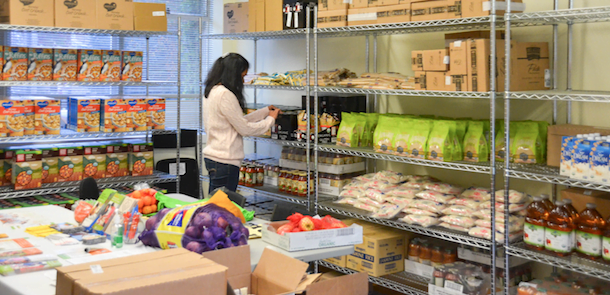
Colleges and universities have also introduced a range of initiatives to combat food insecurity. Meal swipe donation programs allow students to contribute unused meal credits to those in need, and some institutions offer emergency meal vouchers for immediate assistance. Campus food pantries provide essential food items to students, and community gardens offer fresh produce and opportunities to learn about sustainable agriculture.
According to TouchNet, campuses are using their existing card systems to facilitate meal swipe donations and access to food pantries. Mobile apps are connecting students to available resources, offering a discreet way to access help. Data analytics support these efforts by tracking program success and identifying students at risk of food insecurity through financial and academic indicators.
By understanding the effects of food insecurity, keeping up with regulatory trends, and implementing innovative solutions, colleges and universities can foster an inclusive environment that bolsters the academic and personal success of all students.