Card, mobile credential, payment and security
Card backs provide valuable real estate for students in need
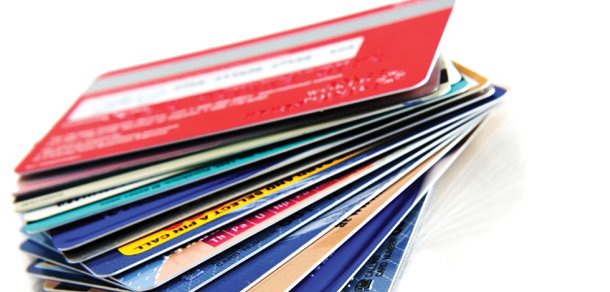
When talking about the design of a student ID, rarely is the back of the card discussed. It's not the most colorful or aesthetically pleasing side, but universities are reexamining uses for this valuable, finite real estate.
In most cases, the backs of the student IDs feature a paragraph of tiny black-and-white legal jargon and perhaps a barcode or some financial network logos.
But a growing number of institutions are putting the backs of their IDs to a different use by printing campus resource numbers, emergency services lines and other pertinent information for students.
One of the latest institutions to overhaul the back of its ID is the University of Oklahoma. At the start of 2016, all backs of newly printed Sooner Cards will include campus resource numbers for students in need.
The five phone numbers are the university police’s non-emergency number, a SafeWalk number, university health services, university counseling services and 911.
The goal is that students -- in particular freshmen, transfers and internationals -- will be more informed of available local and campus resources. Even 911 is a resource of which international students may not be aware.
[pullquote]The goal is that students – in particular freshmen, transfers and internationals – will be more informed of available local and campus resources[/pullquote]
The idea to incorporate contact information came from the University of Oklahoma Student Government Association (SGA), says Ryan Trevino, director of Oklahoma’s Sooner Card office.
“Historically, the reverse side of the Sooner Card had contact information for the main Sooner Card production office, the Sooner Card logo, the web address for Sooner Card Online, our card management portal and a disclaimer that the Sooner Card is non-transferable,” explains Trevino.
No elements from the reverse of the Sooner Card were removed, though some text was refined to allow for more room to incorporate the new resource phone numbers, he adds. “Because no elements were removed, and others were only refined, we did not have to submit for any additional review.”
Typically universities will print the contact info for the office that issued the cards so if anyone has questions they know where to call, says Mark Degan, corporate marketing manager for ColorID. “Also common are disclaimers that students must carry their card at all times and that the card itself is the property of the university and as such the student must relinquish it upon request,” he adds.
Disclaimer examples include:
ColorID does not provide the text for the end user, but rather places filler text until the campus card office gains approval from its legal department to add the necessary content, explains Degan. “If it’s too much legal verbiage we do work with the card office on shortening the amount of words while still getting the same message across to the cardholder,” he explains.
In addition to disclaimers, there is often information related to the card not being transferrable, how to report a lost or stolen card and the process to follow if you find a card.
“Most often we see legal text, disclaimers, contact information, bar codes, card program website URLs, locations where a student can make a financial deposit and information regarding the card program,” says Fred Emery, director of OneCard sales at Heartland Campus Solutions. “If using a contactless card that embedded contactless number may also be printed on the back of the card.”
He notes that barcode printing is declining as campus libraries move to more advanced technology for patron identification.
“We recommend involving the areas responsible for the card program – typically the legal team and marketing department – to craft the information printed on the card. If a banking relationship is involved the banking partner should also be included in this conversation so everyone’s needs are met,” says Emery.