Card, mobile credential, payment and security
Virginia Commonwealth University, along with identification solutions provider ColorID, has implemented a new method for students entering the campus' Shafer Court Dining Center this fall. The university has opted to add iris biometrics as an alternative to the existing card swipe method of entry.
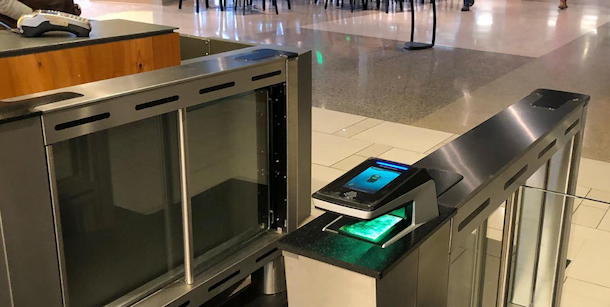
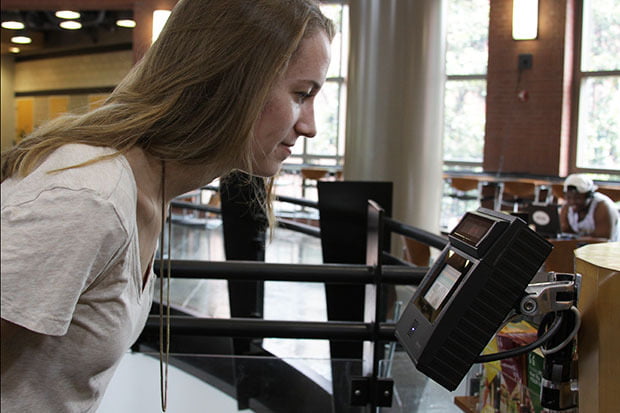
According to a release from VCU, the university installed two iris cameras this week that will enable meal plan holders to scan their eyes instead of swiping their IDs to access the dining hall. The new, voluntary system will serve as a sort of express lane for students in an attempt to boost throughput at the dining hall door.
"Students won't need their ID to enter the dining center anymore," says Stephen Barr, the director of campus services for VCU Dining Services. "With iris identification, it’s as simple as a camera taking a picture of their eyes and two seconds later they walk through."
The introduction of biometric access at the dining hall also enables students who lose their IDs over a weekend to still access their meal plans while the campus card office is closed. According to Barr, there isn't a mechanism for students to get a replacement ID during weekends, which prior to the biometric system would have kept student from accessing the dining hall without a student ID. In the past, students would only be able to circumvent this problem by paying out of pocket for a meal.
"ColorID is extremely excited to launch the Biometric Dining Solution at Virginia Commonwealth University," says Mark Degan, corporate marketing manager at ColorID. "VCU is a long-standing customer of ColorID’s and they’ve always embraced and encouraged the latest in identification technologies for the university."
According to the university, cashiers will still man the dining hall access points for those students who choose not to use the iris cameras, as well as for visitors and others entering the dining court.
The university chose to partner with ColorID for the biometric dining project, purchasing iCAM 7100 iris cameras that take a high-definition photo of the user's iris and then identify 220 or more unique points. The photo's are not saved or stored in any way, instead the system generates a unique number that is then associated with each meal plan holder's iris.
Establishing the project at VCU was a team effort, with ColorID playing an integral role in delivering the iris system. "VCU Dining Services came to us earlier in the year and wanted to give students a better dining experience on campus," says Degan. "It was then up to VCUCard Operations manager Patti Murdock to implement and install the solution."
VCU’s food service provider Aramark was also involved as their employees manage the cashier station and will be monitoring the solution on a daily basis, explains Degan. "We worked hand in hand with both departments which allowed us to really get a good idea as to what requirements were needed to make this successful in everyone’s eyes."
Students interested in enrolling in the iris recognition system can do so at stations set up at the dining hall and other select locations on campus during the first few weeks of the fall semester.