Card, mobile credential, payment and security
HID talks upcoming wave of access control changes for college campus
By Hilding Arrehed, Vice President Cloud Services, Physical Access Control, HID Global
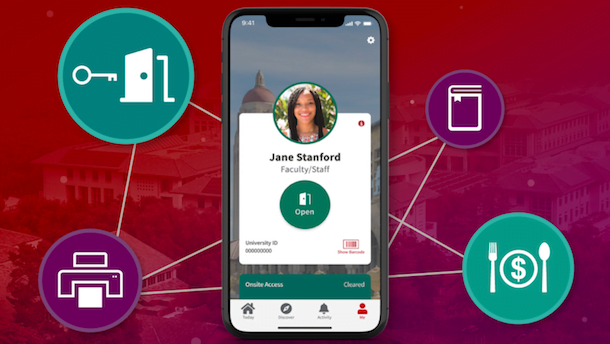
Cloud technologies are giving people access through their mobile phones and other devices to a variety of new experiences, while making their environments smarter and more data-driven. The modern campus is now undergoing unprecedented change with the advent of identity- and location-aware building systems, virtual assistants, and “personal IoT” solutions that recognize people and customize how they access buildings and the services and resources they need.
Until now, though, these capabilities could generally only be developed and delivered on a building-by-building or, at most, campus-by-campus basis. This is now changing in three important ways.
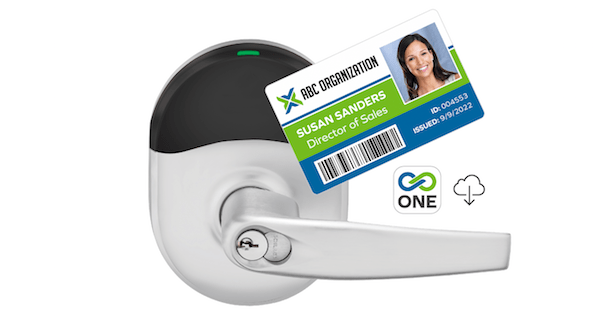
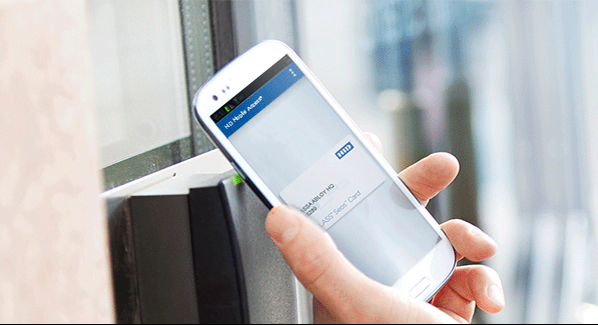
First, the adoption of mobile identities is accelerating, with many universities already moving to “mobile-only” access control that integrates multiple applications into a unified mobile experience. Second, an installed base of millions of physical access control system (PACS) readers, controllers, panels and locks worldwide will soon be connected to the cloud and IoT. And third, these systems will also be married with location services capabilities that enable universities to know where people are in a building or on campus.
This trifecta of technological developments provides the opportunity to create a common cloud platform upon which developers can build, deliver and manage innovative and data-driven trusted campus solutions.
It has been estimated that by 2020, 20% of physical access control solutions will be shaped by mobile technology and cloud architectures. Cloud-based platforms will ensure identity-aware, seamless and more consistent service delivery and user experiences while improving how identity solutions are delivered.
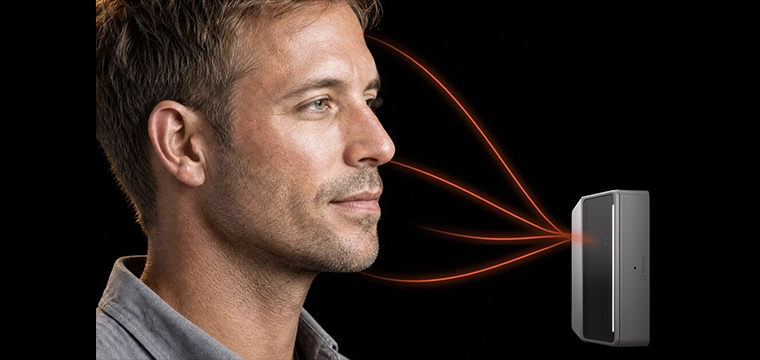
For example, bridging biometrics and access control has been challenging in the past, because it requires a trusted platform designed to meet the concerns of accessibility and data protection in a connected environment. These barriers can be addressed through a secured and connected cloud architecture that can remotely manage all readers and users -- including on-boarding, template loading and enrollment activities for supported authentication modes.
Cloud platforms will also provide the backbone for quickly adding complimentary applications like secure print, virtual photo ID and vending, as well as other access control use cases and emerging permission-based transaction capabilities yet to be developed. These platforms also give university administrators greater flexibility to upgrade their security infrastructure, scale it as they grow, improve maintenance and efficiency, and get the most out of their investments. Key among these is a location-services platform that delivers high-value data for a host of new applications and capabilities.
It has been estimated that by 2020, 20% of physical access control solutions will be shaped by mobile technology and cloud architectures.
Another benefit of cloud platforms is the opportunity to adopt new, more flexible subscription models, such as enabling easier replenishment of mobile IDs when smartphones are lost or need replacing.
Subscription models will make it easier for universities to issue and manage IDs for accessing buildings and services across the campus, and they have the potential to further streamline forecasting, budgeting and reporting while pushing mobile credentials from a product-based model to more of a service-based approach. Mobile ID subscription licenses can be transferred across the university’s students, staff and faculty, all while provide administrators with an opportunity to register multiple mobile IDs across multiple devices without incurring additional cost.
Universities are already using cloud technologies for ID card issuance, using platforms that give them the option for hardware, software and other resources to be leased and their costs bundled into a service offering billed on an annual or monthly basis. This service model cuts multiple layers of program costs and improves user convenience for requesting and receiving their ID cards. This also making it easier for administrators to scale the card office to accommodate future technology capabilities or changing volume demands.
Cloud-based access control will be accompanied by simplified development environments that are designed for easy integration into vertical solutions. This will fuel innovation and a new way to look at university design as the convenience of mobile apps is married to the power of data analytics -- from both location services and access control devices connected throughout the campus. The result will be more intuitive and seamless service delivery, better workflow planning, regulatory compliance, remote hardware configuration, and predictive access control system maintenance capabilities.
Millions of installed physical access control devices are already poised to form a global cloud platform for trusted workplace innovation. These devices need only be connected to the cloud and supported by software developer kits (SDKs) and open application programming interfaces (APIs).
To enable these connections to cloud-based services, IoT functionality will be embedded in access control panels as app extensions. With these IoT connections, access control systems will deliver real-time data to the cloud, which will facilitate remote diagnostics and a more predictive approach to system maintenance to help protect against emerging vulnerabilities.