Card, mobile credential, payment and security
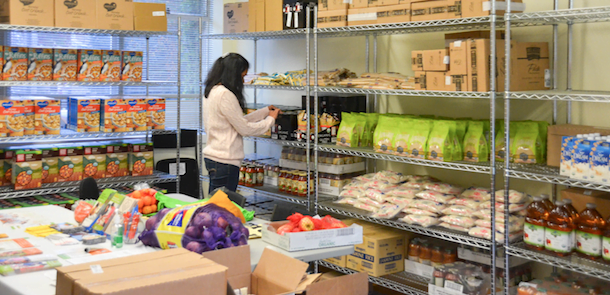
A new survey of university students is pointing to the tangible benefits -- including boosted physical and mental health and improved sleep -- that campus food pantries offer to students in need. A growing number of universities across the country have devoted energy and funding to maintain on-campus food pantries in an effort to alleviate food insecurity amongst the student population.
The study, published in the Journal of Nutrition Education and Behavior, surveyed 1,855 students in California before and after their use of a university food pantry. Results of the survey were used to analyze the perceived impacts that food pantry access can have on student health.
The survey was inspired in part by research conducted 2015 that indicated some 40% of University of California students were experiencing food insecurity.
“This 2015 data prompted the State of California to allocate funding so that by 2018 all UC campuses had a food pantry," says Susanna Martinez, the study’s corresponding author. "Our study was the first to look at the impact these pantries had on changes in student health."
The study found that access to a food pantry directly improved students' perceived health, as well as reduced the number of depressive symptoms they experienced. Food pantry access also correlated with increased sleep sufficiency, and increased food security.
The researchers behind the survey believe their findings could be used to advocate for state or federal funding to support or establish food pantries on more college campuses.
HealthAffairs.org estimates that some 30% of college students had experienced food insecurity prior to the arrival of COVID-19 pandemic, and it's believed that those numbers have risen in the time since, and are even higher among students at two-year colleges.
Health Affairs echoes the belief that students dealing with food insecurity are more likely to report indicators of stress and depression. The quality of food consumed also drops among those dealing with food insecurity, with cheaper, highly processed, fast foods being the more common choices for their lower price tag.
Different universities have implemented different solutions to stem food insecurity.
Some of the would-be solutions to the food insecurity concern on campus have ranged from short-term food allowances and emergency meal funds, to expanded operating hours of campus food pantries to provide extra cover for students in need.
At a legal level, the Hunger Free Campus bill seeks to provides funding for college food pantries, and there are more options for students to donate extra meals swipes to their peers who can then use their campus card to anonymously use the donated swipes and avoid any potential stigma associated with food insecurity. The bill is being spearheaded by the nonprofit Swipe Out Hunger.
According to information provided by Swipe Out Hunger, the Hunger Free Campus bill has now passed in California, New Jersey, Maryland, Minnesota and Louisiana.
Meal swipe donation programs have also grown in popularity over the past two years. Programs vary, with some campuses electing to build their own programs in house, while others have turned to third-party providers like Swipe Out Hunger to provide a more turnkey solution.