Card, mobile credential, payment and security
Joint study by Colorado State and NACCU finds 'closed' payment systems losing traction with students
Is a closed-system declining balance program necessary in a world where virtually every student shows up to campus with one or more debit or credit cards? Neal Lujan, director of the RamCard Office at Colorado State University thought a lot about this question when he initiated the NACCU declining balance survey.
His office runs RamCash, Colorado State’s successful declining balance program with 27,500 active accounts, 23 on-campus merchants, and $2.6 million in sales.
But does it cover costs, and more importantly, does it still provide benefit to students.
In recent years, a number of high profile institutions including Harvard have ended their declining balance program. But is that right for other institutions?
To help answer these questions, Lujan approached NACCU to see if they might collaborate on a research project to evaluate the current state of declining balance programs on campus.
The reasons given by the 50% of respondents reporting a decline include an increase in the use of other payment options, pandemic related impacts, reduced incentives for program use, and administrative overhead (e.g. costs).
NACCU agreed, and together they launched the NACCU declining balance survey in June 2024. Approximately 400 of the association’s primary members were invited to participate and nearly one-third returned responses.
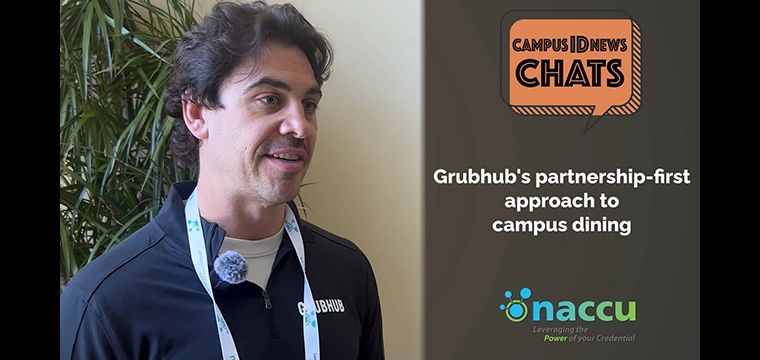
Lujan and NACCU CEO Dawn Thomas presented the results of the survey in recent webinar.
Below are some of the highlights.
54% of campuses allow the tender to be used with both on and off campus merchants, while 46% restrict it to on campus merchants.
One-third of respondents dedicated between one and three FTEs to the program.
Merchant transaction fees or participation rates range from 3% to 32% of transaction value. 14% charge nothing to merchants
Only one-third of campuses track costs related to the program, and of those that do, 43% do not cover their operating costs.
Half of schools support mobile wallet payments (not internal mobile credentials but Apple Wallet, etc.). Of those that do, 40% said that adding this additional payment option negatively impacted their program.
On the other hand, of the 45% of campuses that offer online ordering via Grubhub, Uber Eats, or Door Dash, nearly 60% reported a positive increase in declining balance sales.
Half said their program is declining, 39% rebounding post-pandemic, and 11% said it is growing.
The reasons given by the 50% of respondents reporting a decline include an increase in the use of other payment options, pandemic related impacts, reduced incentives for program use, and administrative overhead (e.g. costs).
For the one in ten that reported their program was growing, reasons cited include partnerships with high-profile names like Starbucks and Grubhub, increased vendor participation off campus from national brands, and new services like laundry mandated via declining balance.
“We did our own analysis of what the survey data told us,” says Lujan. “Understanding the mandatory operating costs to evaluate how well a program can be self-sustaining will be a focus as we continue our evaluation.”
He also suggests that growing income in ways that mutually benefit participating merchants and account holders will be a focus.
Finally, he says, evaluating the impacts and the opportunities related to mobile will be key. By mobile, he means the impacts on RamCash for both a potential move to mobile credentials as well as the competition posed by mobile wallet payments.
The webinar concluded with a 20-minute Q&A with attendees discussing the state of their campus declining balance programs. It is a session well worth a watch for any higher ed administration involved with closed system payments.
To watch the full session, click the image at the top of this page.