Card, mobile credential, payment and security
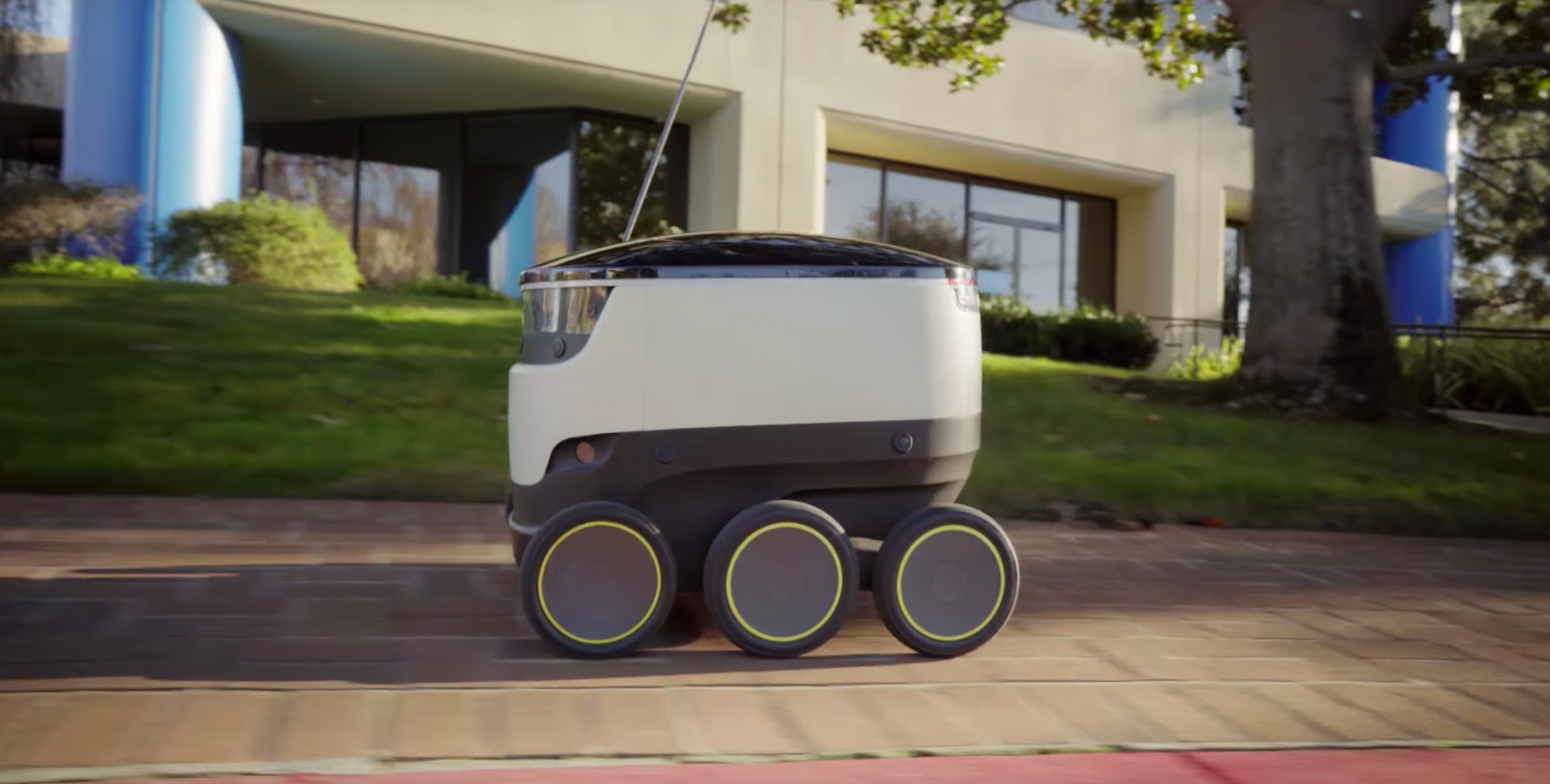
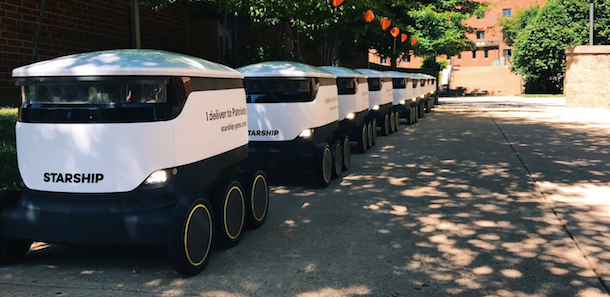
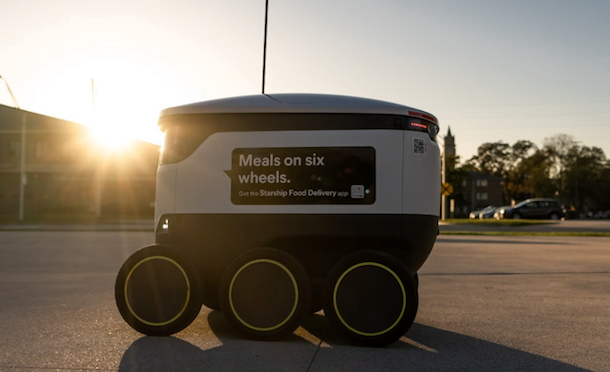
George Mason University is now the first academic institution to deploy autonomous robots for the purpose of delivering food to students.
In a statement from Starship Technologies, the company that has developed the robotic delivery system, all of George Mason’s 40,000 students, faculty and staff can access the Starship Deliveries app. Available on both iOS and Android, users can order food and drinks to be delivered anywhere on campus within minutes.
The robots had been on campus for weeks prior to going live to stress-test the system and work out any potential kinks. The initial agreement with George Mason includes deliveries from Blaze Pizza, Starbucks, and Dunkin’ Donuts, with more merchants to be announced in the coming weeks. Each on-demand delivery costs just $1.99.
“College students understand the benefits of technology on campus and expect it to be integrated into their daily lives,” says Ryan Tuohy, SVP, Business Development, Starship Technologies. “Students and teachers have little free time as it is, so there is a convenience for them to have their food, groceries and packages delivered to them. Commuters can even meet the robot on their way into class.”
Mason's delivery initiative will deploy a fleet of 25 robots at launch, making it the largest of autonomous robot food delivery system on a university campus. Also included in the initiative is George Mason's food-service provider, Sodexo. The service works in conjunction with student meal plans and accepts meal plan dollars for purchases in addition to normal credit/debit cards.
“We’re excited that our students, faculty and staff get to be at the forefront of this pioneering campus food delivery service,” says Mark Kraner, Executive Director for Campus Retail Operations at George Mason University. “This will enhance life for everyone at the University, and that’s something we’re continuously looking to build upon.”
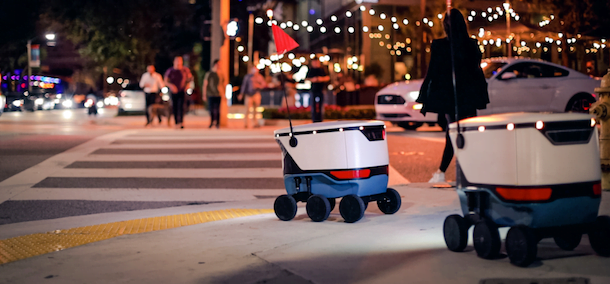
The robots use a combination of machine learning, artificial intelligence and on-board sensors to use sidewalks and navigate around obstacles. Onboard, vision-based navigation helps the robots to map their environment to the nearest inch. The robots can cross streets, climb curbs, travel at night and operate in both rain and snow. The robots can be stored in pods located around campus where their batteries are automatically switched out so they can continue to operate independently, with no human involvement.
To get started with robot deliveries, users first download and open the Starship Deliveries app, choose food or drink items from participating merchants, then drop a pin on an interactive map on their device where they want the delivery robot to be sent. The robot's path can then be tracked via the interactive map as it makes its way to the student.
When the robot arrives to its delivery destination, the user receives an alert to their device, and can then meet and unlock the robot's door through the app to retrieve their items. The process from order to delivery completion typically takes 15 minutes or less, depending on the menu items ordered and the distance the robot must travel. Each Starship robot can carry up to 20 pounds worth of items.
Starship Technologies' autonomous delivery service operates commercially on a daily basis at locations around the world. The company's robots have completed over 25,000 deliveries and logged more than 150,000 total miles to date.
Sodexo and Starship plan to expand the delivery robot program to additional college campus locations in the future.